

A hot work permit is a written authorization, issued before welding, cutting, grinding, brazing or any other spark- or flame-producing work outside a designated hot work area, that confirms fire hazards have been removed or protected and a fire watch is in place. It covers one job, in one place, for a limited time.
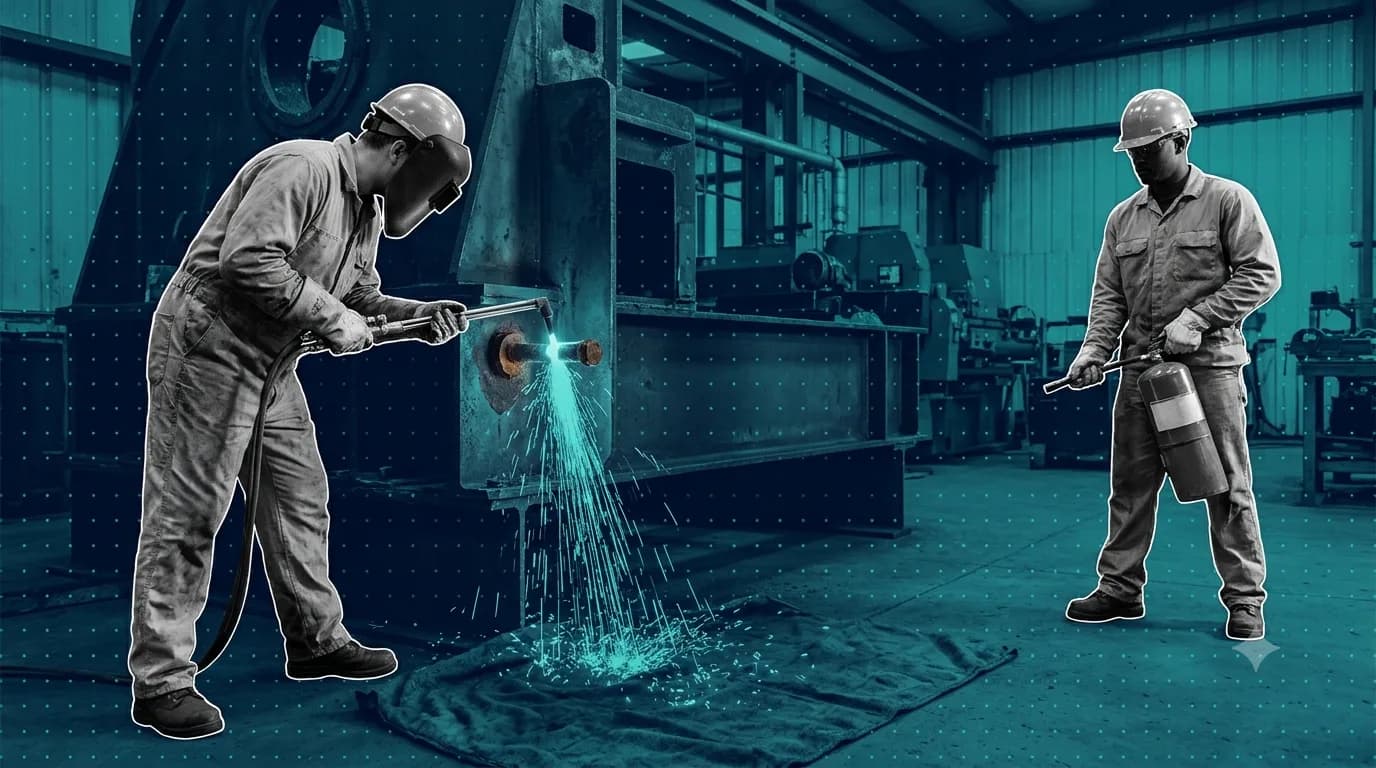
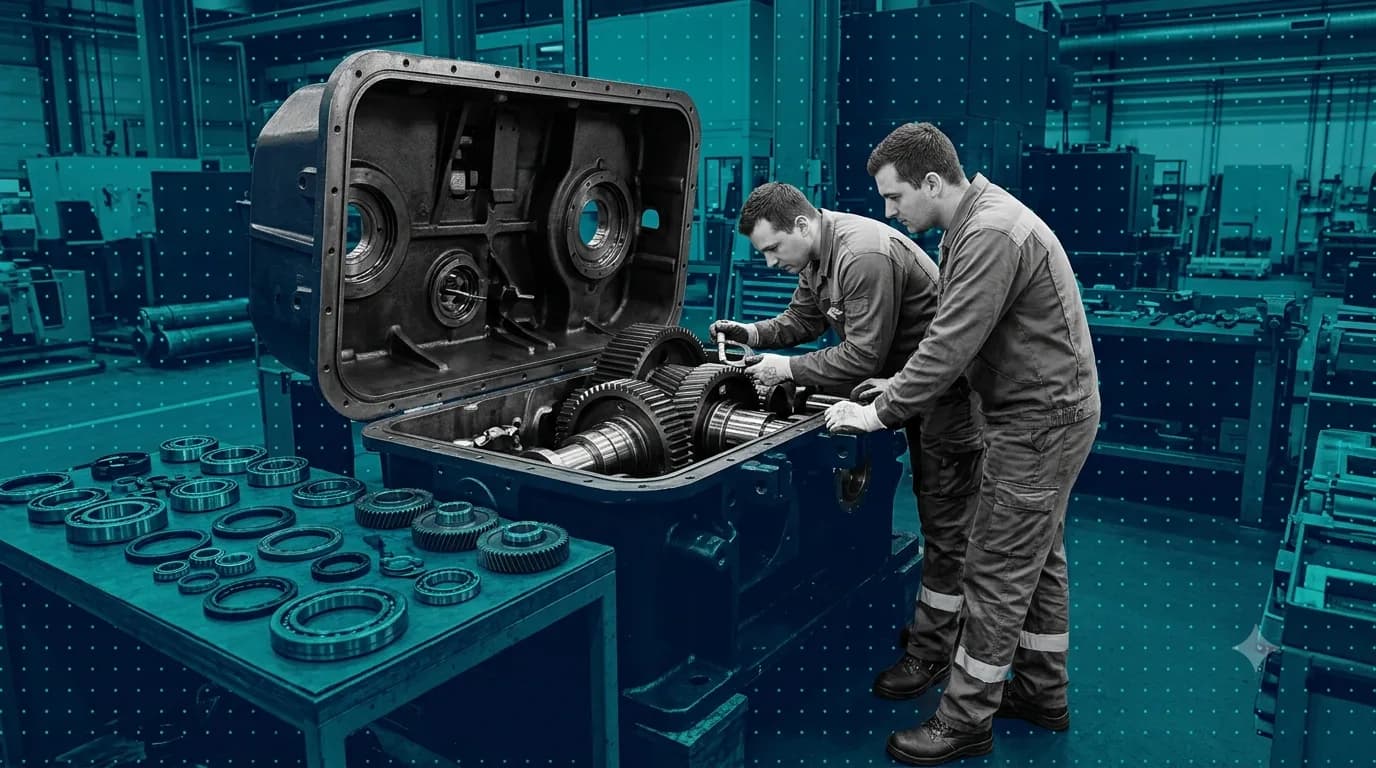
In a factory, most hot work isn't done in the welding shop. It's maintenance: cutting off a seized coupling bolt, welding a crack in a machine base, grinding a repair on a conveyor frame, or replacing a section of pipe next to a dust collector. The permit exists because those jobs happen in places that were never designed for sparks.
What counts as hot work
Hot work is any job that produces sparks, flame or enough heat to ignite something nearby. The common ones in a plant:
- Welding (stick, MIG, TIG) on machine frames, brackets, guards and structural steel
- Torch or plasma cutting, including cutting off seized bolts and removing old pipework
- Grinding with an angle grinder, which throws sparks much further than people expect
- Brazing and soldering on copper lines and fittings
- Heating with a torch or heat gun to free a seized bearing or coupling
The risk isn't just the flame. Sparks and slag bounce, roll across floors, drop through gaps in grating, and land in places nobody is looking, like the dust inside a cable tray or the oily rags behind a machine.
When you need a permit, and when you don't
The rule turns on where the work happens.
- A designated hot work area is a permanent, purpose-built space such as a welding bay or fabrication shop, with non-combustible surfaces, screens and fire protection designed for it. Routine work there doesn't need a permit for each job.
- Everywhere else needs a permit. That's the production floor, the roof, the maintenance area of a warehouse, the inside of a machine guard. If the hot work is coming to the equipment, rather than the equipment going to the welding bay, it needs a permit.
Some places are off-limits even with a permit. OSHA 1910.252(a)(2)(vi) prohibits cutting and welding in areas management hasn't authorized, in sprinklered buildings while the sprinklers are impaired, in explosive atmospheres, and near large quantities of exposed, readily ignitable material.
What a hot work permit checks
A permit is only as good as the checks behind it. These are the ones that matter, drawn from OSHA 1910.252 and NFPA 51B:
- Combustibles within 35 feet (11 m) of the work are moved, or covered with fire-resistant blankets or shields if they can't be moved
- Openings are covered: gaps in floors and walls, ducts and conveyor openings within that radius, so sparks can't drop through
- Floors are swept clean of dust and debris, and combustible floors are wetted or protected
- Sprinklers and fire alarms are in service. Never do hot work while the sprinkler system is shut off.
- An extinguisher or hose suited to the hazard is at the work point
- The atmosphere is safe: no flammable vapors or combustible dust present, tested with a gas detector where there's any doubt
- A fire watch is named, trained, and has no other job while on watch
- The permit has a time limit, usually one shift, and a post-work fire watch period
A copyable permit layout
Most plants already have a form, often their insurer's. If you don't, this layout covers what an inspector or insurer will look for. Adapt it to your site and your adopted edition of NFPA 51B.
| Section | What to record |
|---|---|
| Job | Work order number, asset or location, description of the hot work |
| Time | Date, start time, expiry time (no longer than one shift) |
| People | Hot work operator, fire watch, permit authorizing individual |
| Area checks | Combustibles within 35 ft moved or covered · openings covered · floor swept · sprinklers in service · alarms in service · extinguisher at work point · atmosphere tested (reading) |
| Fire watch | Start time, end time of post-work watch, final check signed |
| Sign-off | Authorizer signature before work starts · close-out signature after the fire watch ends |
Who does what: the three roles
NFPA 51B splits responsibility across three people. On a small crew it's tempting to combine them, but the fire watch in particular needs to be a separate person.
- Permit authorizing individual (PAI). Inspects the area, decides what precautions are needed, and signs the permit. OSHA calls for management to designate this person.
- Hot work operator. Does the welding or cutting, and is responsible for stopping if conditions change.
- Fire watch. Watches for sparks and smoldering material during the work and afterwards, with an extinguisher to hand, and has the authority to stop the job. The fire watch shouldn't be doing anything else.
Hot work permit requirements: OSHA and NFPA
OSHA 29 CFR 1910.252 sets the baseline for general industry:
- Movable fire hazards are moved to a safe place, and immovable ones are guarded (1910.252(a)(1))
- A fire watch is required when combustibles are closer than 35 feet to the work, and it must be kept for at least half an hour after welding or cutting is finished (1910.252(a)(2)(iii))
- The person responsible for authorizing the work inspects the area and designates the precautions, "preferably in the form of a written permit" (1910.252(a)(2)(iv))
- Management designates who can authorize cutting and welding, and where it's allowed (1910.252(a)(2)(xiii))
NFPA 51B is the US standard for fire prevention during hot work, and it's what most fire codes and insurers point to. It requires a written permit for hot work outside designated areas, defines the three roles above, and has required a post-work fire watch of at least one hour since its 2019 edition, which the PAI can extend. Where OSHA and NFPA differ, most plants work to the stricter figure, and many insurers make that a condition of cover.
Outside the US, the same controls appear under other names. In the UK, hot work sits within the permit-to-work arrangements covered by HSE guidance, and many international insurers issue their own hot work permit forms built on the same checks.
Hot work vs cold work permits
A hot work permit covers any job that brings an ignition source. A cold work permit covers hazardous maintenance that doesn't, such as breaking into a process line, removing a guard, or working inside isolated equipment with hand tools.
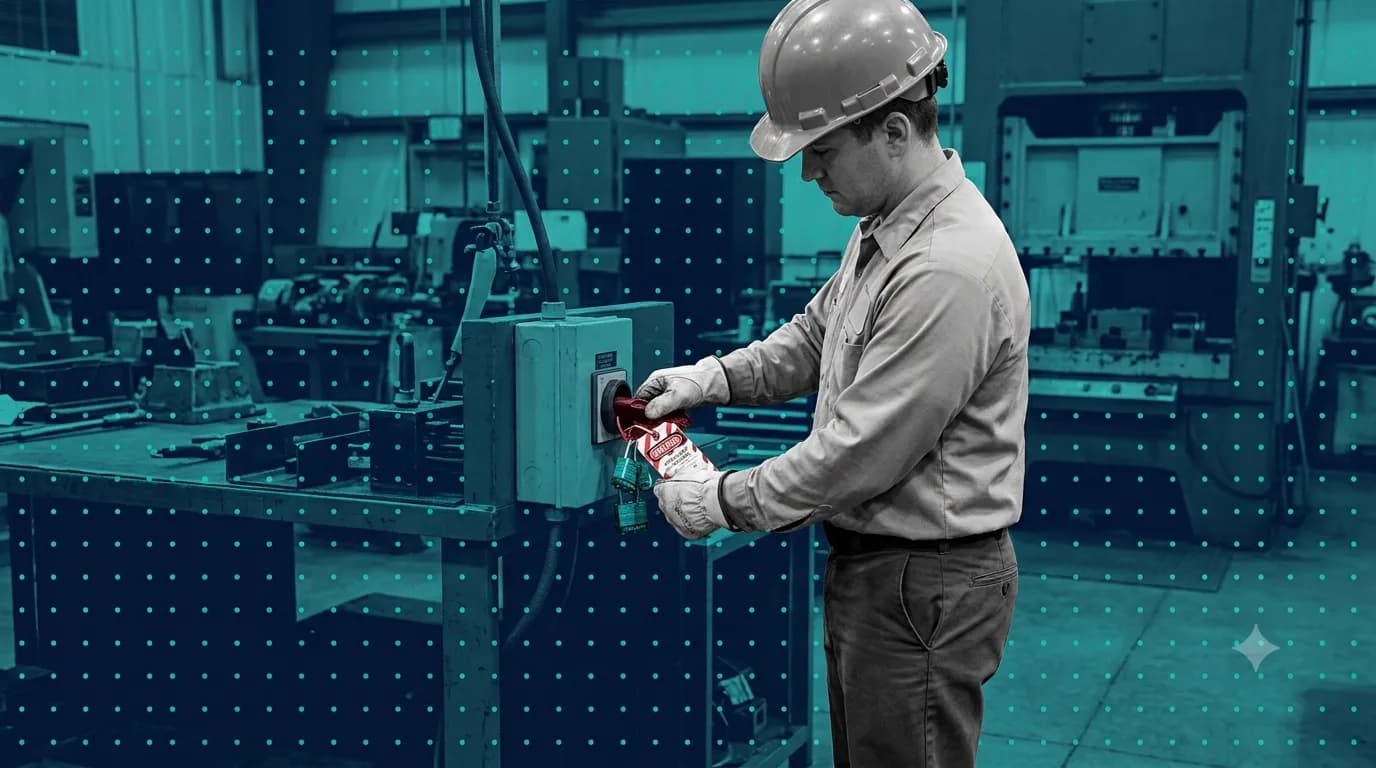
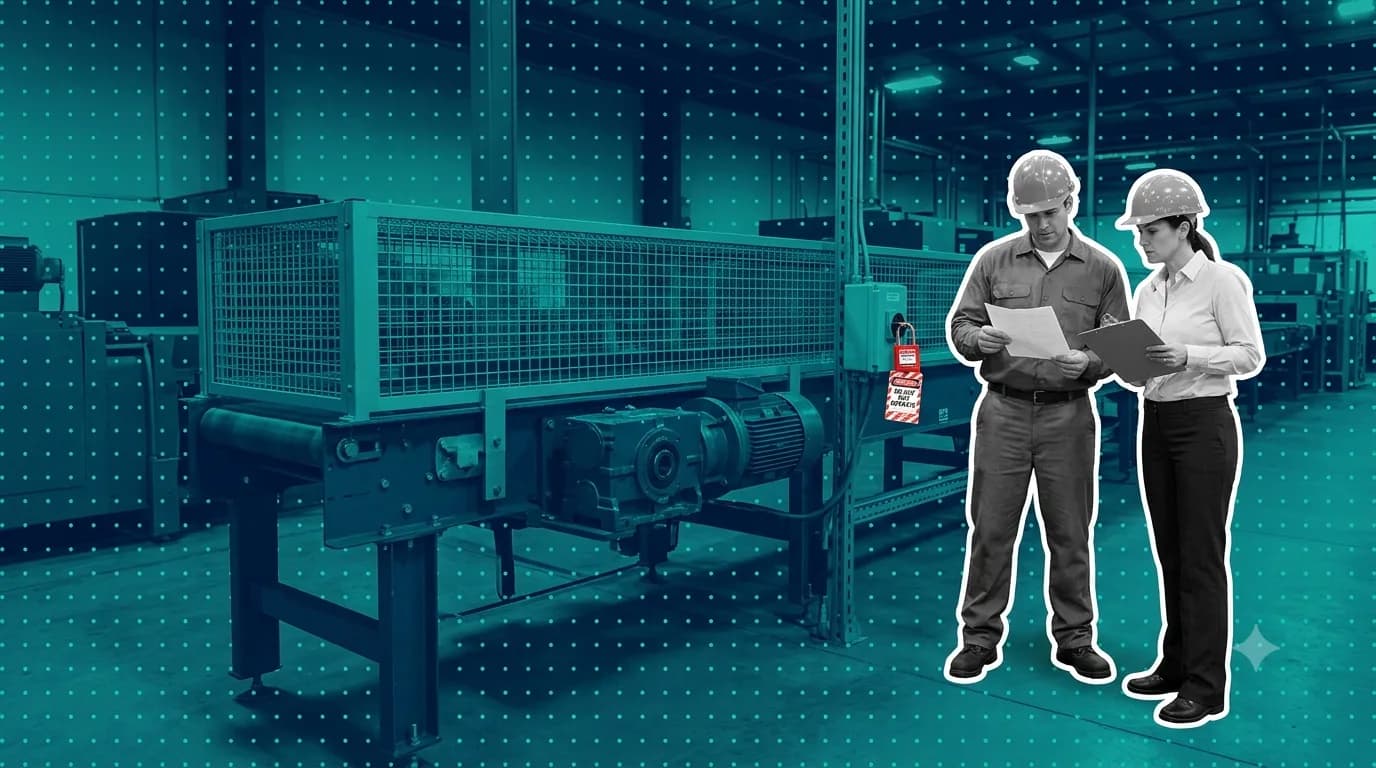
Both are types of permit to work. On a site with a formal permit system, one job can need several at once. A pipe repair in a tank, for example, could need a hot work permit, a confined space entry permit, and a lockout. The job safety analysis is usually where those needs are identified, and lockout/tagout is how the energy is isolated before the work starts.
Why hot work permits fail in maintenance
Most plants have a hot work permit form. The failures happen in how it's used:
The permit is issued for the shift, not the job. A permit is signed at 7 a.m. for "welding, bay 3." By 2 p.m. the job has moved to the next machine along, next to a pallet of cartons, under the same permit.
The fire watch ends early. The welder packs up, the fire watch is called to the next job, and nobody is watching during the hour when smoldering fires actually start. NFPA's own reason for extending the watch to one hour was insurance loss data showing fires starting after the old 30-minute window.
Breakdown repairs skip it. A machine is down, production is waiting, and the fastest fix is to weld it where it stands. That is exactly the situation the permit exists for, and the one where it's most likely to be skipped.
The permit and the work order never meet. The permit is a paper form in the safety office. The job is a work order. When an auditor asks which permit covered a weld repair on a given day, or whether the fire watch was completed, someone has to dig through a binder. The same gap shows up in breakdown maintenance generally: the record of the repair and the record of how it was made safe live in different places.
Where hot work connects to maintenance software
A hot work permit is a safety authorization. Software doesn't replace the person who walks the area, checks the 35-foot radius and signs the permit. But the jobs that need hot work permits are work orders, and that's where the checks belong.
In MachDatum, each job type can carry its own checklist, and work order workflows are configurable, with role-gated transitions and mandatory fields. So a weld repair can carry the permit checks (combustibles cleared, sprinklers in service, extinguisher in place, fire watch named, post-work watch completed) on the work order the technician is already holding, and the completed checklist stays on the asset's history. It's the same approach as keeping lockout steps and fire safety inspections on scheduled, assigned jobs instead of on paper.
If your hot work permits live in a binder and your repairs live in a spreadsheet, see how MachDatum CMMS handles work orders and checklists.